Common Percentages Of The Body
Conventional Percentages Of The Body
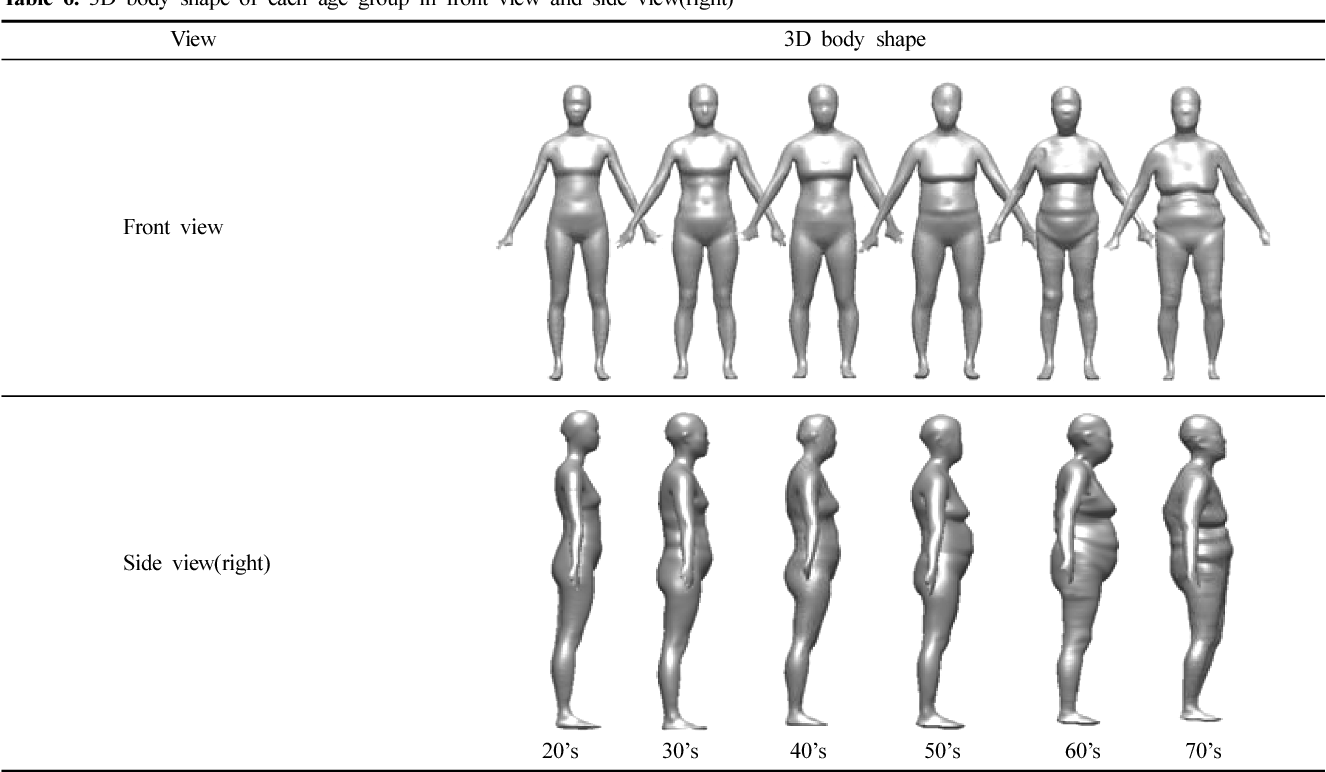
Actions To "Conventional Proportions Of The Human Body"
-- Likewise, the distance from the shoulder to the elbow joint is equal to one head size. Percentage of the Body-- 6-- The elbow joint lies on the same degree as the reduced end of the ribcage. Proportion of the Human Body-- 5-- The human ribcage has an oval shape like an egg with the smaller sized rounded side encountering upward. This can start be very problematic if the joint is regularly being compelled to relocate past what it has readily available. It can start to have damaging impacts on the health of the joint and, with time, result in severe orthopedic issues. However, the structural construct of your joints is not the only thing that is affecting whether you can execute a certain action or workout.
- The facility of the chest is about 2 head sizes down the body while the navel is 3 heads down.
- Now that you've discovered to see the figure in terms of easy forms it's time to go over proportion as it connects to exactly how we determine the rest of the body against the size of the head.
- BackgroundDid you know that human bodies been available in all sizes and types?
- You might have been informed that you can not perform a workout in a particular fashion because of bad joint movement or inadequate strength.
- A tilted pelvis triggers the back to curve like an acquiesce the left.
Three Very Easy Methods To Recognize If You Need Muscular Tissue Activation Methods ®
This tool supplies a simple and rapid method to recognize the percentages of an ideal and reasonable human number. It suggests a simple means for an artist to comprehend what Additional resources the human body percentage sizes are. 1) The document talks about human anatomy basics and exactly how percentages alter based upon sex, age, and physique. 3) Percentages transform dramatically from infancy with teenage years as the body expands, with the head appearing largest at birth and progressively becoming smaller in contrast to the rest of the body. When a person much shorter than 5' 4" enters into my center with a proportionally high torso and brief legs I anticipate they have or will have back or neck issues.
Now that you've learned to see the figure in terms of basic shapes it's time to discuss percentage as it relates to just how we gauge the rest of the body against the dimension of the head. The head oval is where many people start their illustration, which is appropriate since the head dimension is a tool that we use versus the remainder of the figure to make certain it is in percentage. Proportions vary from person to person, but have a tendency to fall within a typical array. Because of this, I will certainly start by reviewing the "imaginative requirement." There's a whole lot to unpack in this graph so let's reach it. As previously stated, both the arms and legs are included two cylinders linked by a hinge joint. One end of View website the limb attaches to the torso using a ball-and-socket joint (shoulder/rib cage and pelvis, specifically).